Eggs are a hassle-free take a look at with excessive principles. If a pan can drift a subtle omelet onto the plate with out a touch of tearing, it'll sear scallops and flip pancakes with equal grace. If it sticks, burns, or cooks inconsistently, the morning turns into scraping and scrambling in the worst feel. After years cooking in eating place traces and abode kitchens, and after paying for, borrowing, and returning extra skillets than I would like to confess, I’ve discovered that the “most useful nonstick pans for eggs” fall into several clean camps. Each camp has real strengths, precise alternate-offs, and a candy spot based on the way you cook dinner, how commonly you cook, and what kind of you need to spend.
This handbook moves from solid price range choices to long-lasting premium portions, with frank notes on coatings, sturdiness, ergonomics, and stovetop compatibility. I’ll also provide an explanation for methods to get the maximum out of whatsoever pan you make a choice, considering procedure and care topic well-nigh as an awful lot because the sticky label worth.
What Makes a Pan Great for Eggs
Eggs ask three issues of a skillet: even warmth, a slick floor at modest temperatures, and a comfy structure that allows you to maneuver a spatula with out combating the rim. When worker's complain that even the most well known nonstick pans for eggs fail, it frequently comes down to considered one of 5 culprits: warped bases that warm-spot, coatings cooked too warm, rough or flared edges that snag a yolk, handles that get too scorching to turn hopefully, or a length mismatch for the job handy.
Even warmness begins with the base. Thicker aluminum spreads warm more lightly than skinny aluminum, and cladding or disc bases add balance. For eggs, you rarely desire the blasting warm of a steak sear, but you do desire consistency so that a French omelet chefs from edge to center devoid of turning leathery.
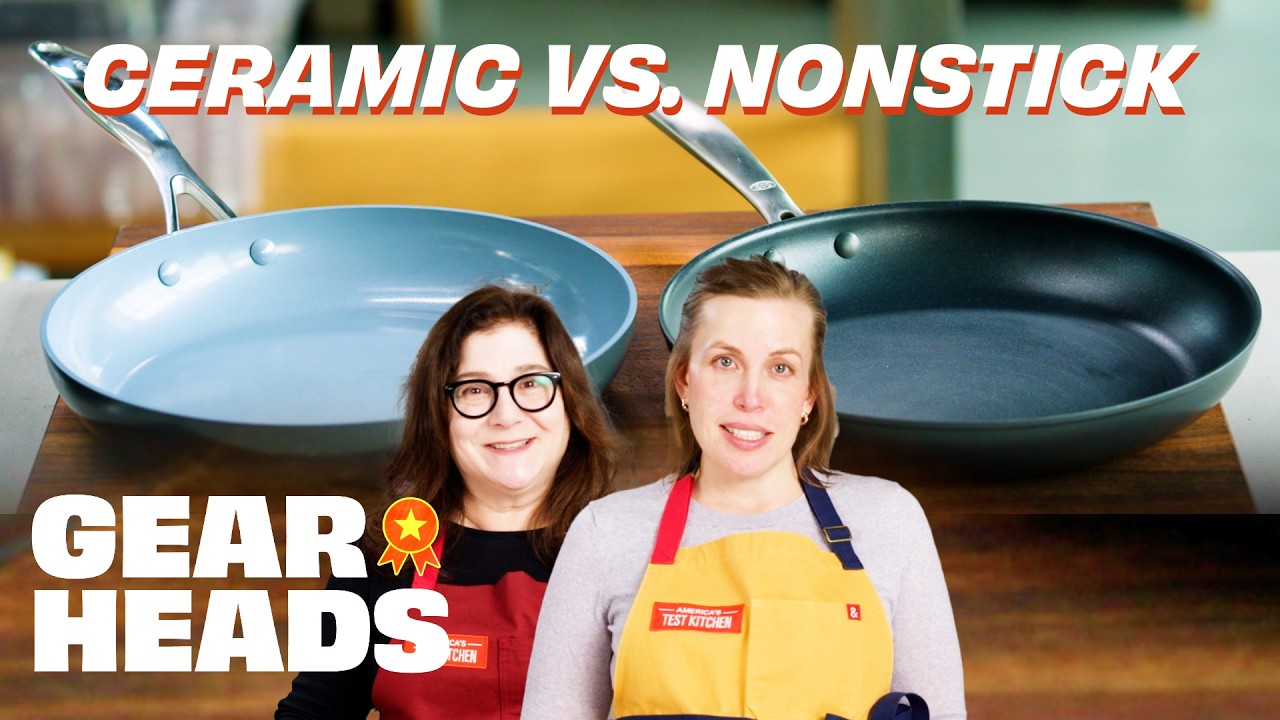
Slickness is set coating chemistry and the way you treat it. Polytetrafluoroethylene (PTFE) - advertised as Teflon by way of one model, however many manufacturers use PTFE with out calling it that - stays the slipperiest. Modern PTFE, while used below conventional dwelling house temperatures, is reliable and truly successful. Ceramic coatings are PTFE-free and would be very slick out of the box, even though such a lot lose flow swifter. Hard-anodized aluminum pans traditionally wear PTFE, but the base is tougher towards scratches and warping.
Shape and ergonomics count number extra than human beings assume. A 10 inch pan with gently sloped aspects gives you room to tilt, tuck, and roll an omelet. A too-steep rim or tight nook makes it more difficult to get below refined curds. For single-serve fried eggs, eight inches is acceptable. For varied servings, cross 10 or 12 inches, but stay the ones rails low and gradual.
Understanding Coatings and Heat Limits
Most nonstick screw ups commence with warm. PTFE starts offevolved to wreck down at temperatures above roughly 500 F, and empty pans can spike prior that threshold on prime warmth inside of mins. For eggs, medium or medium-low heat is ideal. That sweet spot affords you management over texture and color with out pushing the coating.
Ceramic nonstick is usually a sol-gel silica-stylish coating. It tolerates brief better heat, yet in prepare the slick “like-new” experience fades swifter than PTFE, frequently greatly inside of months for those who use it everyday. The upside is that ceramic coatings are PFAS-free, which a few patrons favor. The draw back is that if your eggs are your day-by-day ritual, you possibly can probably change a ceramic pan extra in general than a same PTFE pan, until you employ very comfortable warmness and tender utensils.

Induction provides one more wrinkle. Many affordable nonstick pans are instantly aluminum and won’t work on induction with no a metal plate. If you cook on induction, you’ll both need an induction-well matched base or a converter disc. I don’t advise converter discs for eggs; they gradual reaction and complicate even heating. Better to pick out a pan constructed for induction from the jump if that’s your stove.
Affordable Workhorses: Budget Pans That Treat Eggs Well
For any one who fries eggs maximum mornings and desires a low-cost device that just works, a classic PTFE-lined aluminum pan is arduous to conquer. You can find strong thoughts in the 20 to 40 dollar vary. The trick is picking out one with a fairly thick base, a comfortable manage, and a shape that behaves well with a spatula.
At this level, you’ll see a great deal of stamped aluminum with a nonstick coat and a riveted or screwed deal with. The coating will last a year or two with cautious use, often times longer in case you cook dinner at low warmth and steer clear of dishwasher cycles. I retailer a price range 8 inch pan around only for weekend fried eggs. After a yr of cookies and omelets and some in poor health-recommended metallic spoon touches, it nevertheless releases eggs genuinely once I use a small pat of butter and preheat nicely.
What to look for the following: a flat base that doesn’t rock to your burner, a control with a little upward attitude so your knuckles clear the rim, and sloped facets. Avoid ultra-thin discount pans that flex at the stove; they warmness speedy however scorch simply as briefly.
An instance situation that regularly separates the good from the duds is the 2-egg over-hassle-free turn. A respectable finances pan will permit you to swirl a teaspoon of oil, slide the spatula beneath the whites, and turn with no tearing, even though you were given impatient and introduced eggs previously the pan solely preheated. A poor pan will hold at one level and drag the whites.
If your range runs scorching or you’re heavy-passed with heat, a rough-anodized aluminum finances pan provides sturdiness. It received’t stop coating put on, however it tolerates bumps and dings, and it’s less probable to warp. The excess mass makes it a bit slower to heat, which for eggs is a improvement.
Midrange Choices: Better Balance of Durability and Feel
Spend a little bit extra and you enter the area the place small facts make frequent cooking more straightforward. Midrange nonstick pans quite often have thicker bases, more steady nonstick layers, bolstered coatings, and handles that remain cooler. Expect to spend roughly forty to 100 dollars.
At this tier, induction compatibility becomes greater uncomplicated. If you prepare dinner on fuel in these days yet may flow to induction later, make a selection a pan with a chrome steel plate bonded to the base. It provides a marginally of weight, which stabilizes temperature after you slide in colder constituents like eggs immediately from the refrigerator.
This diversity also comprises many ceramic-covered pans. The just right of these believe spirited and light, warm quick, and launch smartly for the first six months. They’re basically PFAS-loose, which appeals to dealers who prioritize that chemistry alternative. The trade-off is durability. If you cook dinner eggs every single day, a ceramic pan may well desire replacing quicker to continue that elementary free up. If you cook dinner eggs a couple of times per week, the maths transformations and a midrange ceramic can be a satisfying decide upon.
A few design cues to understand best nonstick pans for eggs at this level: rolled or flared lips for easy pouring, rivet heads which are either lined or minimized, and handles which are balanced so the pan doesn’t tip backward when empty. In this rate bracket I like 10 inch pans with a a bit wider flat side ahead of the slope starts, which makes delicate-scramble ways peculiarly soft. The eggs spread skinny, set calmly, and you might corral them right into a comfortable mound with a silicone spatula in underneath a minute.
Premium Nonstick: When Longevity and Performance Matter
Premium nonstick pursuits for greater than effortless launch. It adds constitution, warm distribution, and small ergonomic benefits that express up on every occasion you're making breakfast. Prices by and large run a hundred to 2 hundred money, once in a while greater for larger sizes or sets.
What are you shopping at this stage? A thicker, more sturdy base, ceaselessly with multi-layer building or a forged aluminum physique that resists warping. A appropriate-tier PTFE gadget that attaches extra robustly to the substrate, which slows the march toward stickiness. High-grade handles that continue to be cool longer and hook up with rivets or welds that think rock cast. Some top class pans supply replaceable handles or coatings, nonetheless that’s less regularly occurring. Many are induction-capable with no sacrificing responsiveness on fuel.
If you magnitude reliability, a top class PTFE pan is the closest factor to set-and-put out of your mind. I’ve used top class nonstick pans in small accommodations for years, and the distinction exhibits if you happen to’re doing six French omelets in a row. The curds set evenly, the exterior stays faded with only a whisper of color, and the roll into the plate is gentle, no longer a scramble in disguise. When the coating eventually wears, it does so gradually, now not in a single day.
On the top rate ceramic side, there are pans that feel magnificent out of the box with a glassy slickness. They’re a pleasure for sunny-part eggs at low heat with butter. Over time, highly in case you use sprays or cook above medium, that slickness fades. If you’re careful and shop the warmth conservative, they're able to stay simple for years, simply with a little more need for butter or oil.
PTFE vs Ceramic: Choosing Based on Your Priorities
Both categories can produce satisfactory eggs. The selection comes right down to chemistry alternatives, warmness conduct, and how sometimes you cook dinner.
PTFE merits: unmatched slickness and manage at egg-pleasant temperatures, slower put on with appropriate use, and broader preferences at each and every rate element. Consider PTFE should you cook dinner daily, cherish to do French omelets or crepes, and need the longest window formerly the first symptoms of stickiness.
Ceramic benefits: PFAS-loose coatings, short preliminary best nonstick pans for eggs unlock that feels nearly frictionless, and aas a rule lighter bodies. Consider ceramic if you cook eggs at times, opt for lessen warmness, and would like a pan that aligns with a PFAS-unfastened priority even when you’ll replace it faster.
No nonstick coating loves aerosol sprays. Many sprays incorporate propellants and emulsifiers that bake onto the surface and rationale gummy residue, which results in sticking. For eggs, use a small quantity of butter, ghee, or neutral oil, carried out with a broom or paper towel, and stay away from sprays fully.
Size, Shape, and Handles: Small Details, Big Difference
For one or two eggs, an eight inch pan maintains the whites compact and gentle to flip. For three to 4 eggs or an omelet with fillings, a 10 inch pan supplies respiratory room. A 12 inch pan is effective for relations brunches however can believe unwieldy should you solely desire a unmarried egg over medium at 7 a.m.
Slope and depth have effects on how actual you might get less than the egg. A light slope is egg-friendly. If the perimeters are tall and steep like a sauté pan, possible fight the rim when sliding in a spatula. Rolled edges support you pour off excess butter or plate a French omelet devoid of catching.
Handles have to sense cast with a moderate upward perspective and a shape that doesn’t spin in your hand, whether there may be slightly condensation. Hollow stainless handles reside cooler. Silicone-wrapped handles remain cool at the can charge of oven-defense limits. If you prefer to finish frittatas in the oven, check the temperature ranking. Many nonstick pans right out round four hundred to 500 F, which includes the cope with and lid components.
Care That Extends the Life of Any Nonstick Pan
Most nonstick pans fail early thanks to warm or cleansing. The fixes aren’t problematical.
- Preheat on low to medium. Give the pan a minute or two, add a small quantity of fats, then add eggs. Avoid heating an empty pan on high. Hand wash with a soft sponge. Skip metallic wool and harsh scouring powders. If residue builds up, soak with warm soapy water and use a non-abrasive scrub pad. Use silicone, timber, or plastic utensils. A metal fish spatula will probably be advantageous for those who are gentle, but repeated scraping will finally scuff any coating. Store with a delicate liner or hold it. Stacking pans devoid of protection grinds grit into the coating and shortens the pan’s life. Keep it off broil. Nonstick coatings and plenty handles aren’t designed for lengthy broiler heat.
These habits can double or triple the usable life, noticeably for price range pans.
Technique: How to Get Eggs Right Every Time
When a pan is sweet and your technique is dialed in, eggs prepare dinner speedy and taste more effective. Here is a compact movements for four basic kinds that assists in keeping the coating pleased and the eggs comfortable.
- Sunny-aspect: Preheat the pan on medium-low. Add a teaspoon of butter or oil. Crack the eggs into a small bowl first. Slide them lightly into the pan, then immediate limit warmth to low. Cover with a lid for 30 to 60 seconds to set the tops devoid of flipping. Season at the cease. The lid topics; it traps mushy steam, which units the whites at the same time keeping the yolks glossy. Over-uncomplicated/over-medium: Same get started, but whilst the whites set and the edges slightly colour, loosen round the perimeter with a silicone spatula. Tilt quite and flip with a instant, positive movement. For over-medium, provide it any other 20 to 40 seconds. If the pan is real nonstick, this feels common. Soft scramble: Medium-low heat, tablespoon of butter for a ten inch pan. Eggs whisked with a pinch of salt. Pour in, then stir with a silicone spatula, sweeping sluggish discern eights. Pull off warmness ahead of thoroughly set; residual heat finishes them creamy. On an incredible nonstick, you’ll certainly not see curds adhere to the surface. French omelet: Low warm, beneficiant butter, energetic preliminary stir with a fork or chopsticks to create fine curds, then tilt and faucet the pan to inspire the egg sheet to set. Keep it blonde. Roll with the support of the rim and plate seam-area down. Only a slick pan and sufferer warmth make this straight forward.
In every single case, a couple of seconds make the difference between comfortable and rubbery. If your eggs stick, pause and take a look at the fundamentals: heat too prime, pan not preheated, not enough fat, or a coating that’s quite simply worn earlier its most suitable.
The Case for Owning Two Pans
If eggs are your thing, ponder two nonstick pans: a smaller one for solo mornings and a bigger one for omelets or hash-plus-eggs. A dedicated egg pan that certainly not meets tomato sauce or top warm tends to reside pristine. In my kitchen, the 8 inch is the weekday workhorse for fried eggs and the short comfortable scramble. The 10 inch comes out for omelets and shakshuka-fashion dishes in which space matters.
The can charge shall be modest. A finances eight inch plus a midrange 10 inch nevertheless costs much less than one top rate 12 inch, and for a lot of cooks that pairing covers everything from a single egg on toast to a crammed omelet for two.
Common Pain Points and How to Solve Them
Eggs frill at the sides and get brown beforehand the facilities set. That’s a warm component. Turn it down and preheat a bit of longer. The pan could be hot ample to soften butter easily yet now not so sizzling that it abruptly sputters and browns.
The nonstick pan sticks greater after six months. Build-up is a possible offender. Try a tender deep sparkling: soak with hot water and gentle dish soap, then wipe with a mushy sponge and a paste of baking soda and water. Rinse totally. Avoid dishwasher cycles going forward. If the pan still sticks, the coating might be at end of lifestyles, particularly for ceramic.
Rivets trap foodstuff. Some pans depart the rivets uncoated, which might snatch egg. A skinny movie of butter brushed over rivets previously cooking helps. If it bothers you normally, look for a layout where rivets are smaller, lined, or partially shielded.
The pan warps on a sizeable burner. Thin bases can dome upward, which makes fat slide to the rims and leaves the heart dry. Use a burner that fits the pan’s diameter, and avert thermal surprise along with going for walks a sizzling pan under bloodless water.
Matching the Pan to Your Stove
Gas is forgiving. Most nonstick pans, from inexpensive to premium, perform smartly on fuel when you consider that you're able to dial warmth right away and notice how the flame interacts with the base.
Electric coil and radiant glass tops praise heavier, flatter pans that reside strong on the gentle floor. Lightweight pans can skate or develop hot earrings that brown the perimeter of eggs before the heart units.
Induction desires a magnetic base. If you operate induction and eggs are a day to day ritual, prioritize a pan explicitly labeled induction-well matched. The warmth is swift and centered, that's brilliant for responsiveness, but can even reveal hot spots in skinny pans. A somewhat thicker induction-equipped base can pay off here.
Cleaning and When to Replace
A nonstick pan may want to rinse clear less than warm water with minimum persuasion. If you find your self scrubbing, the coating maybe close to its stop, or you possibly can have baked on residue. Avoid abrasive pads. A nylon brush and gentle cleaning soap do the job. For obdurate movie, simmer water with a touch of vinegar, enable it cool, then wipe. Dry absolutely until now storing.
When to update? If eggs stick even with butter at mushy warmness, and you’ve cleaned cautiously, it may well be time. If the base wobbles or has a reported dome that makes fat pool, exchange it. If the coating presentations chips or deep scratches that reveal the bottom steel, retire it. Pans are tools, now not heirlooms. For daily egg chefs, funds pans can ultimate 6 to 18 months, midrange PTFE normally is going 2 to four years, and top class PTFE can pass longer with tremendous habits. Ceramic tiers generally, in most cases from numerous months of every day use to about a years with cautious, occasional use.
Value Picks at a Glance
Here is a transparent, compact photograph of easy methods to determine most of the prime nonstick pans for eggs, established on actual-global commerce-offs in place of brand hype.
- Tight finances, day-to-day fried eggs: A undemanding PTFE-covered aluminum 8 inch with sloped aspects. Hand wash, low to medium warmth, no sprays. Expect a yr or two of easy liberate. Budget with a sturdier sense: Hard-anodized aluminum PTFE 10 inch. Slightly heavier, resists dings and warping, vast for omelets. PFAS-unfastened priority, occasional eggs: Midrange ceramic 10 inch. Lovely initial float, avoid warmth modest, use slightly of butter, replace whilst free up declines. Induction range, day to day use: Induction-suitable PTFE with a bonded steel base, 10 inch. Balanced weight, even warmth, lengthy service lifestyles with care. Premium overall performance and longevity: Forged or multi-layer PTFE 10 inch with cool-touch control. Excellent warmness distribution, gradual put on, nontoxic day-to-day consequences.
Final Notes From the Line and the Home
If you prepare dinner eggs so much mornings, the pan is a associate. Technique and care carry as much weight as worth, and the “most efficient nonstick pans for eggs” are the ones that healthy your behavior. I’ve crushed breakfast rushes with top class pans that felt like dishonest, and I’ve made spotless French omelets in a 30 dollar skillet by preserving the flame low and the butter able. The constants are even warm, a slick floor, and a shape you could possibly paintings with.

Buy the size that fits your habitual, deal with the coating with respect, and store the warmth where eggs like it. Do that, and breakfast becomes an uncomplicated excitement as opposed to a sticky negotiation.